Living in the Moment

Living in the moment, experiencing life authentically and enjoying moments as they happen is called mindfulness in academic circles. To be mindful is being present to the experience, instead of being preoccupied with something else as you engage in a task.

When was the last time you really paid attention and thoroughly enjoyed what you were doing? Being mindful during a meal, can change the entire experience of eating. You may taste all the flavors and sensations related to the food and really appreciate the meal.

Even as we engage in conversations with others, we are not always fully present and giving others our full attention. If fact it is pretty annoying, and you leave the conversation wondering if they really heard and understand what was said. Children seem to be mindful when they are given something they really want and they give the activity their full attention.
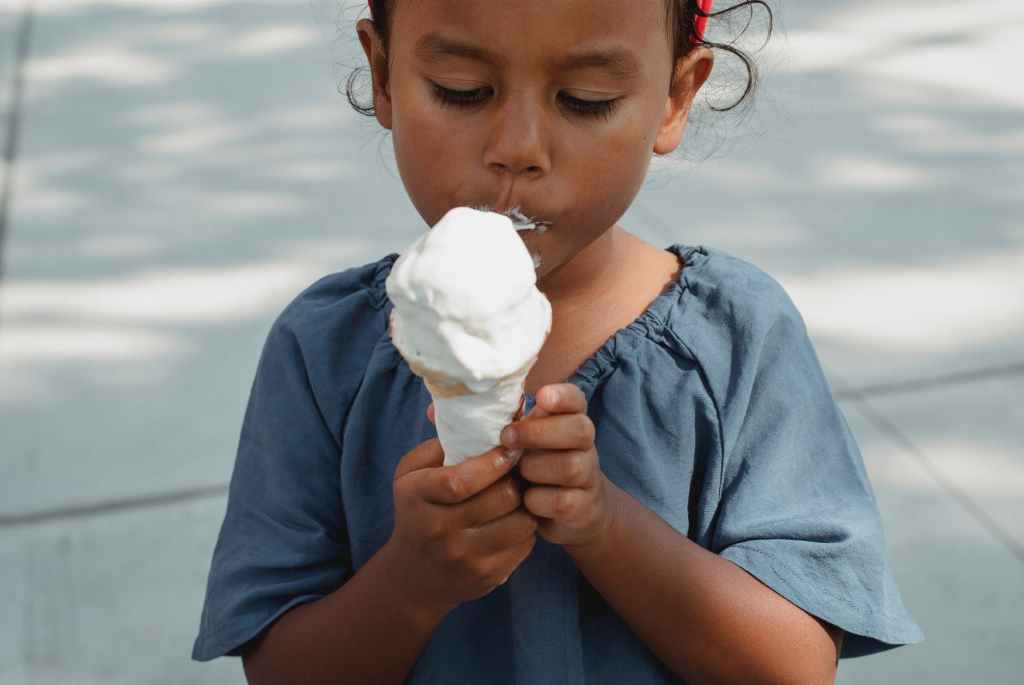
I have been guilty of multitasking, and do it very well… as a result I am not giving my complete attention to task I am engaged in. I am always thinking about what I need to do next. I have decided to watch less television so I can engage in some activities that I enjoy and experience being in the moment.

Pexels.com

Pick one task today to practice being mindful. Try this while enjoying dinner with your family and you will find you really enjoyed the meal and did not eat as much as you would have because you were fully engaged and present. Being mindful can make your life more interesting and full, because you are enjoying the journey as well as the task. As you develop this new habit others will notice that something is different about you

“Do not dwell in the past, do not dream of the future, concentrate the mind on the present moment.”

Buddha

Aging, What is so Good About It?

This article is not about the signs and symptoms of aging but about my reflection of my life as I age and how I chose to cope with those changes.

I recently celebrated a birthday and have been reflecting about my life, the choices I have made and what the future holds. I am thankful that I am still here and aging gracefully. As we age, we slow down a bit and our hair gets thinner, we gain weight and lose our stamina.

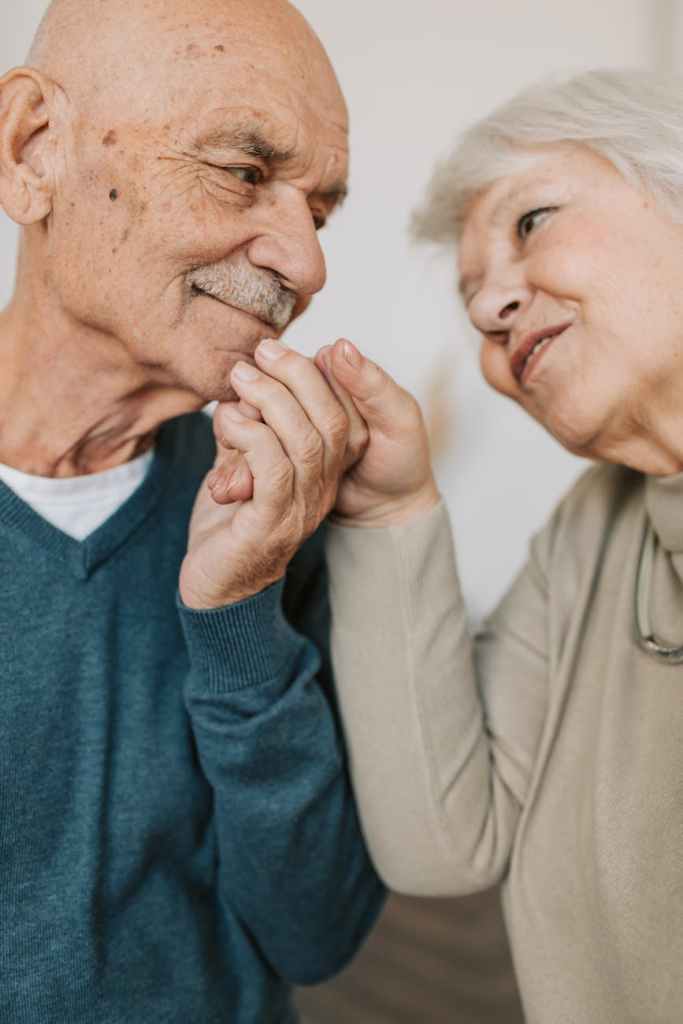
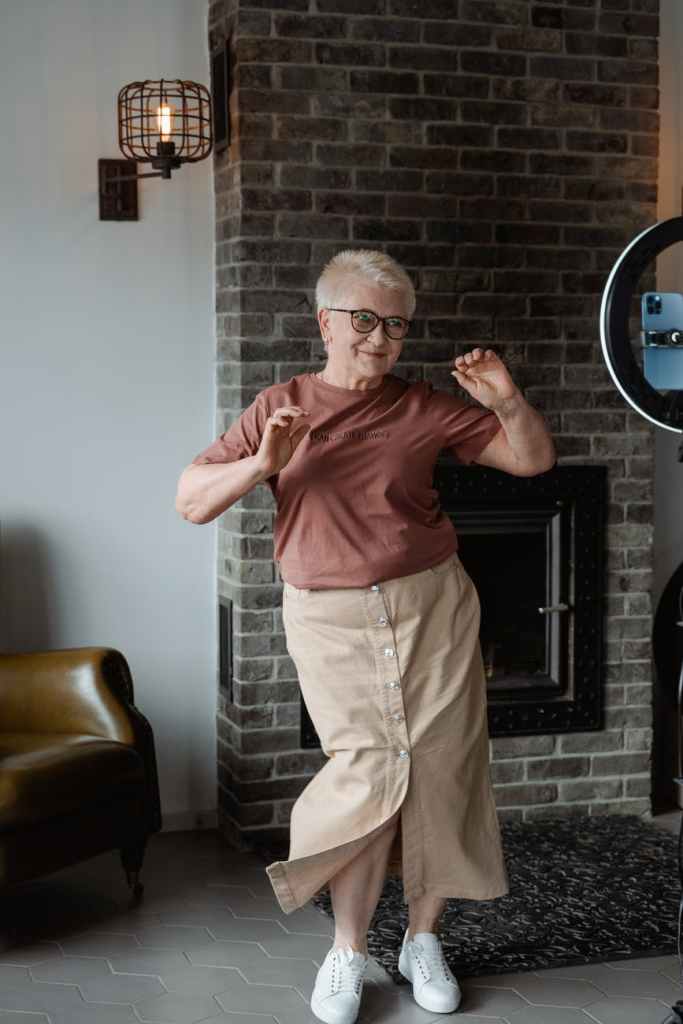
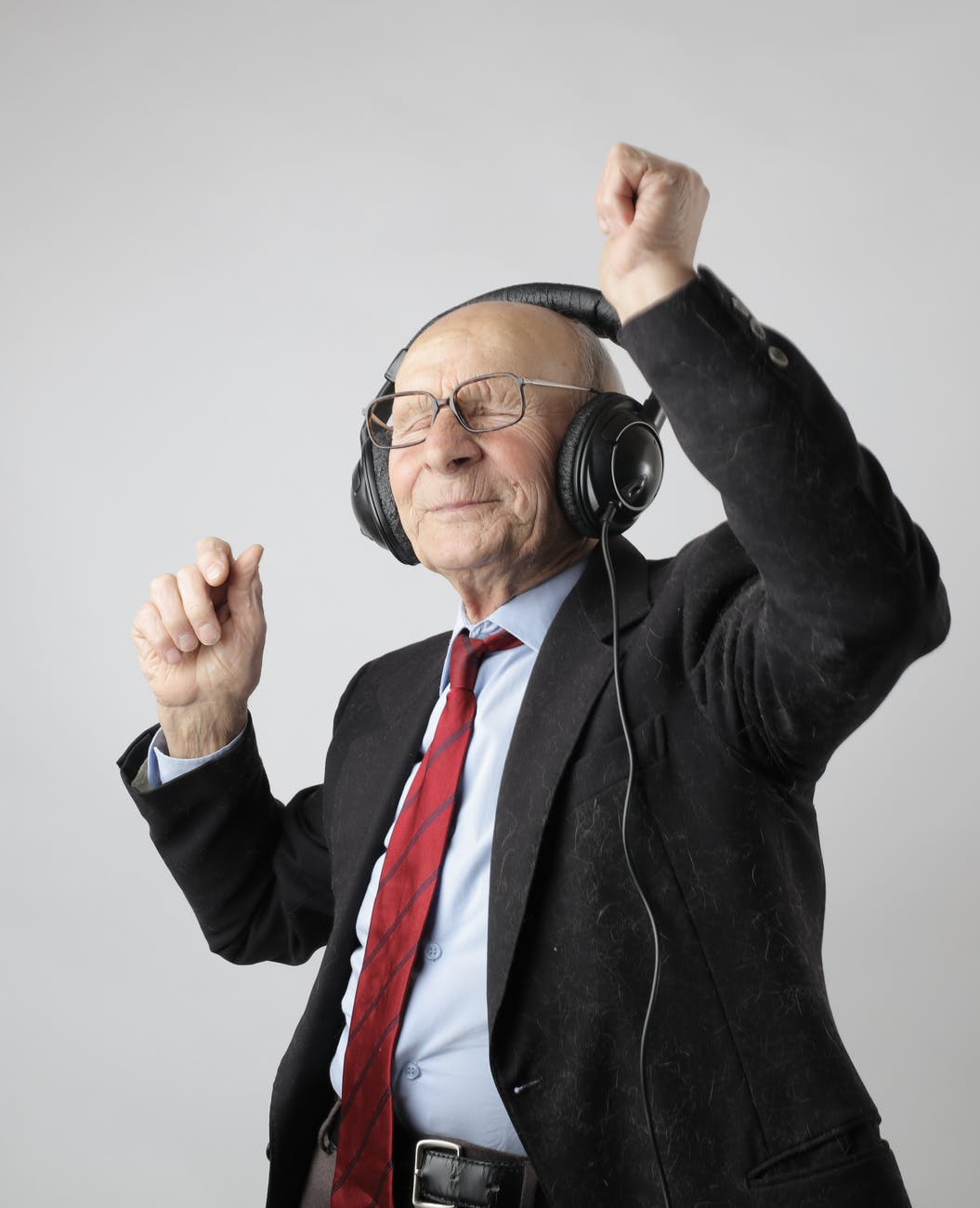
I have been trying to defy these normal processes by continuing to exercise and watch my diet to remain active and strong. Although I am not in age group to the people in these photos, I know its coming one day and I honestly fear it. FEAR, false evidence appearing real can be very paralyzing. I have found that if you acknowledge the fear, the outcome is never what you imagined.

According to experts we can slow the aging process by watching our diet, exercising and knowing our numbers (lab and blood pressure). Even though this is true, somethings are bound to occur as a result of aging, and our own mortality becomes real. No matter what your circumstances are we must continue to live our lives to the fullest and engage in activities that make us happy. Its therapeutic to do something for someone else, it will make you feel better.

Stay healthy and well…and dance like no one is watching…

Is it Hot Enough For You?

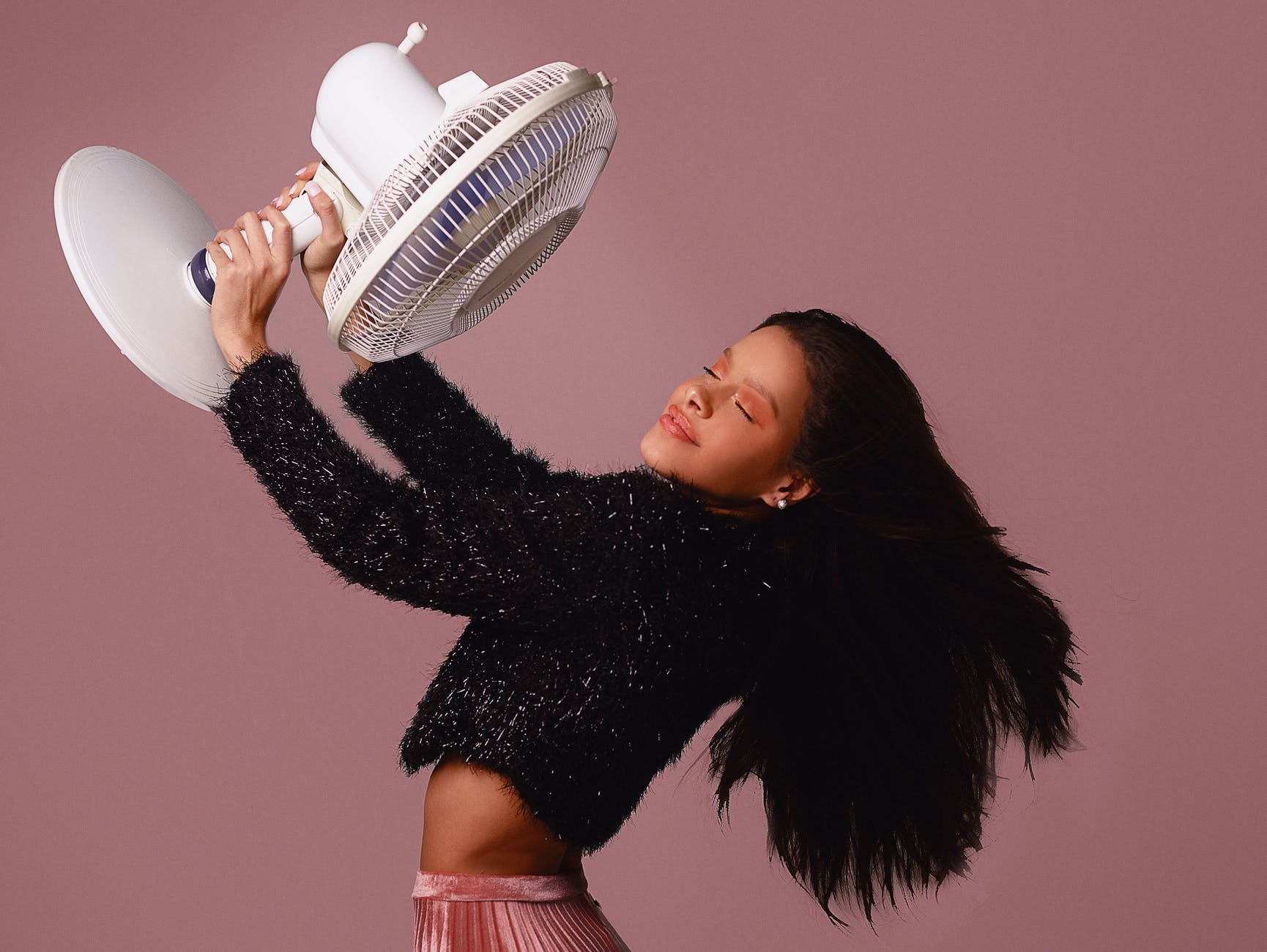
Heat exhaustion can lead to a heat stroke, and is a result of your body overheating. The causes include exposure to high temperatures, combined with high humidity and strenuous physical activity (Heat Exhaustion, 2021). This is preventative, so be mindful this summer while engaging in activities outside.

Other causes include, dehydration, alcohol use and over dressing in hot weather. If the body can not regulate the it’s internal or core temperature of 98.6 F or 37C; and continues to be exposed without intervention, it can lead to a heat stroke (Heat Exhaustion, 2021; Heat Stroke, 2021). Stay hydrated, wear light clothing and minimize your exposure to the heat if possible

Pexels.com

Signs and symptoms of heat exhaustion include heavy sweating, fatigue, thirst, and muscle cramps, (Heat Exhaustion, 2021). Heat cramps are the first symptom of the body over heating. Heat cramps can usually be treated by drinking fluids or sports drinks containing electrolytes (Gatorade, Powerade, and pickle juice-[a favorite with bike riders]), getting into cooler temperatures, such as an air-conditioned or shaded place, and resting (Heat Exhaustion, 2021). Prompt treatment usually prevents these symptoms from progressing to a heat stroke.

A heatstroke is an emergent condition and will occur as a result of prolonged exposure to high temperature or physical exertion in the heat. This can occur if your body temperature rises to 104 F (40 C) or higher (Heat Stroke, 2021).

Just keeping you informed.

References

Heat Exhaustion, (2021). Mayo Clinic. https://www.mayoclinic.org/diseases-conditions/heat-exhaustion/symptoms-causes/syc-20373250

Heat Stroke. (2019) Mayo Clinic. https://www.mayoclinic.org/diseases-conditions/heat-stroke/symptoms-causes/syc-20353581

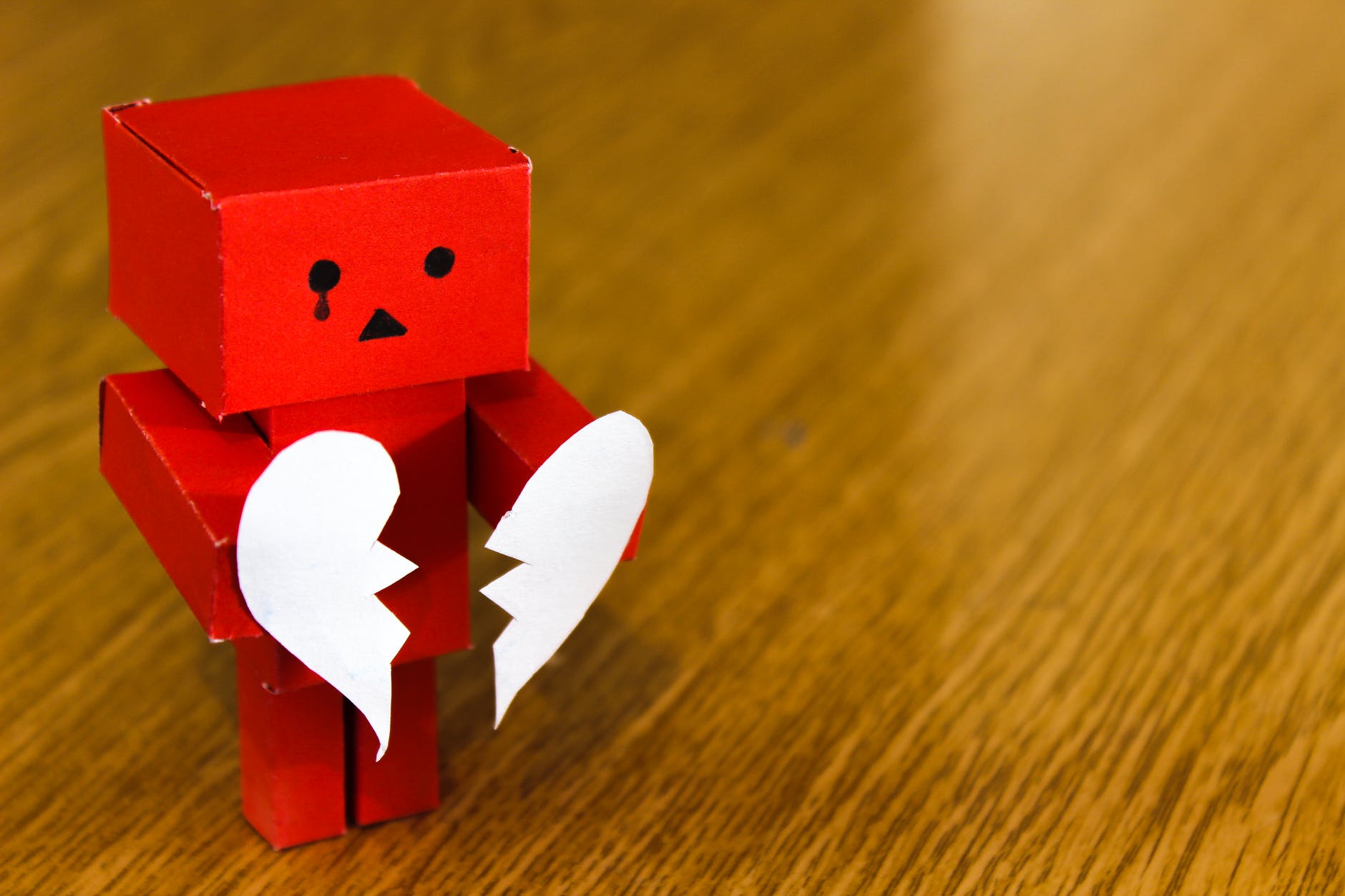
Broken Heart Syndrome

Pexels.com

Broken heart syndrome is a real phenomenon, and affects mostly women. According to the Cleveland Clinic (2021), this syndrome can occur when one is under sudden physical or emotional stress that can mimic the signs and symptoms of a heart attack.

Although, there maybe a rapid weakening of your heart muscle, it is a temporary, reversible condition and recovery is fast. Individuals many experience shortness of breathe, chest pain, sweating, and restlessness. Testing will reveal no blocked arteries, or permanent heart damage.

Examples of sudden emotional stress that can bring on broken heart syndrome include grief from the death of a loved one and other large or meaningful loss (eg, divorce/relationship, job, home, money, good news (e.g., surprise parties, winning the lottery), bad news, intense fear or extreme anger (Cleveland Clinic, 2021).

Pexels.com

Examples of sudden physical stress that could bring on broken heart syndrome include severe pain, exhausting physical event, an asthma attack, difficulty breathing , seizure, stroke, high fever, low blood sugar, blood loss, or surgery (Cleveland Clinic, 2021).

For more information regarding broken heart syndrome see the article below.

Reference

Cleveland Clinic, (2021). Broken Heart Syndrome. Retrieved from https://my.clevelandclinic.org/health/diseases/17857-broken-heart-syndrome

Karma

Pexels.com

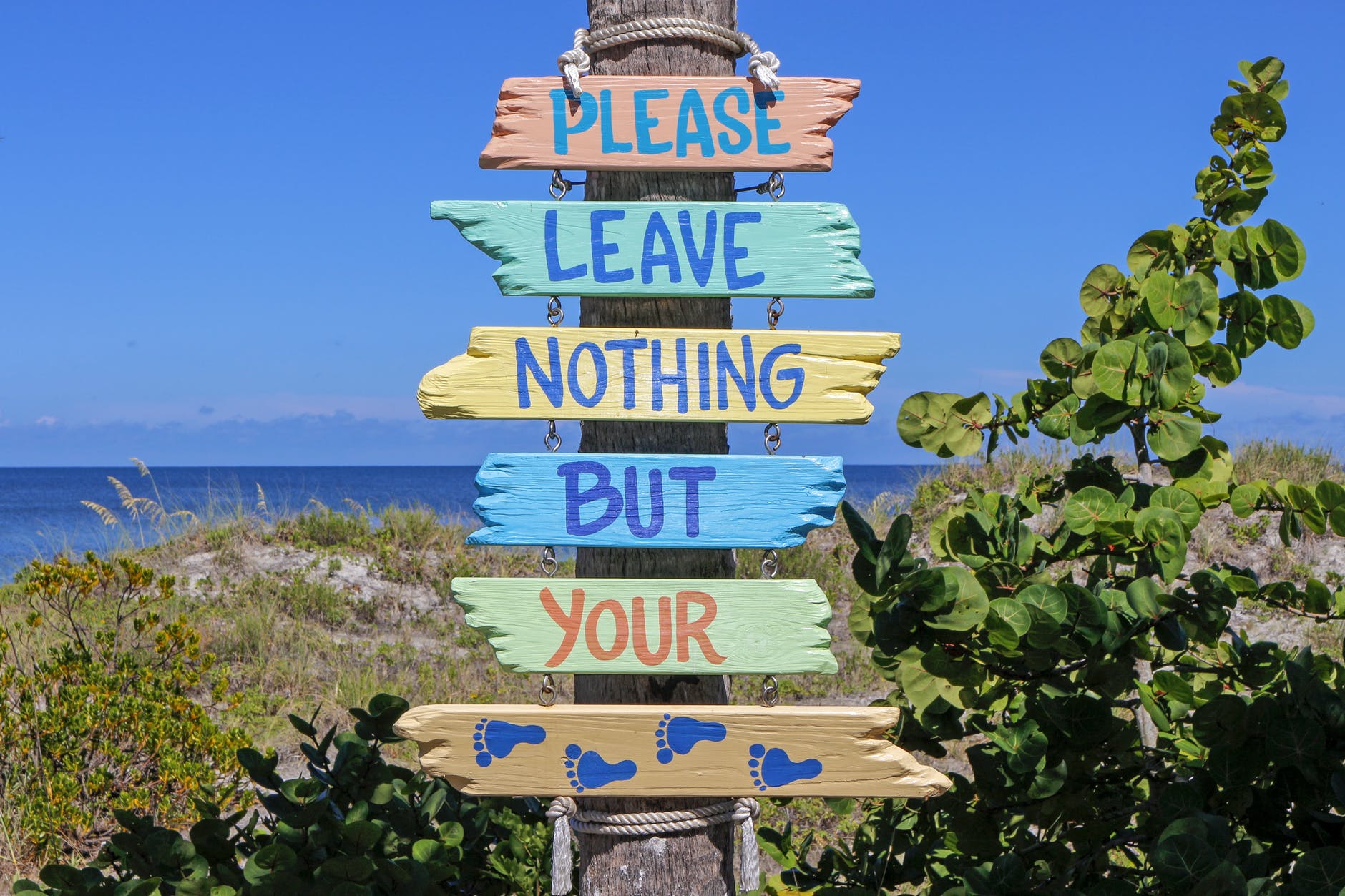
Karma is a belief that what you do to others, good or bad returns to you, like a boomerang. This concept revolves around the golden rule “Do unto others as you would have them do unto you”, which is a biblical principle. The dictionary says karma is a mystical belief. There are also articles that question the validity of karma.

Many people do not believe in karma, and its apparent otherwise they would be more mindful in their treatment of others. I think of karma as your footprint in the world. By no means am I perfect but I really try to be ethical and fair in all my dealings with others.

As a nurse this is an expectation for those utilizing the healthcare system, and the public has grown to expect it. They would be disappointed, upset and mortified if they were continually lied to about their healthcare and the treatment outcome.

Pexels.com

Recently, while at the store waiting at the self check out, I noticed there was approximately twelve dollars and change left in the kiosk, from the previous customer. I returned the money to sales person managing the area. She said “thanks for being honest!” I smiled, and told her I need all my karma points. She looked confused, but I did not explain.

On the way to the car, I thought, she probably did not know what I was talking about. I feel being honest and truthful is an essential tool to create good karma, especially as it relates to others. Being deceitful and dishonest will not benefit you, and it will not end well. Do you believe in karma?

I would love to hear from you, regarding this topic.

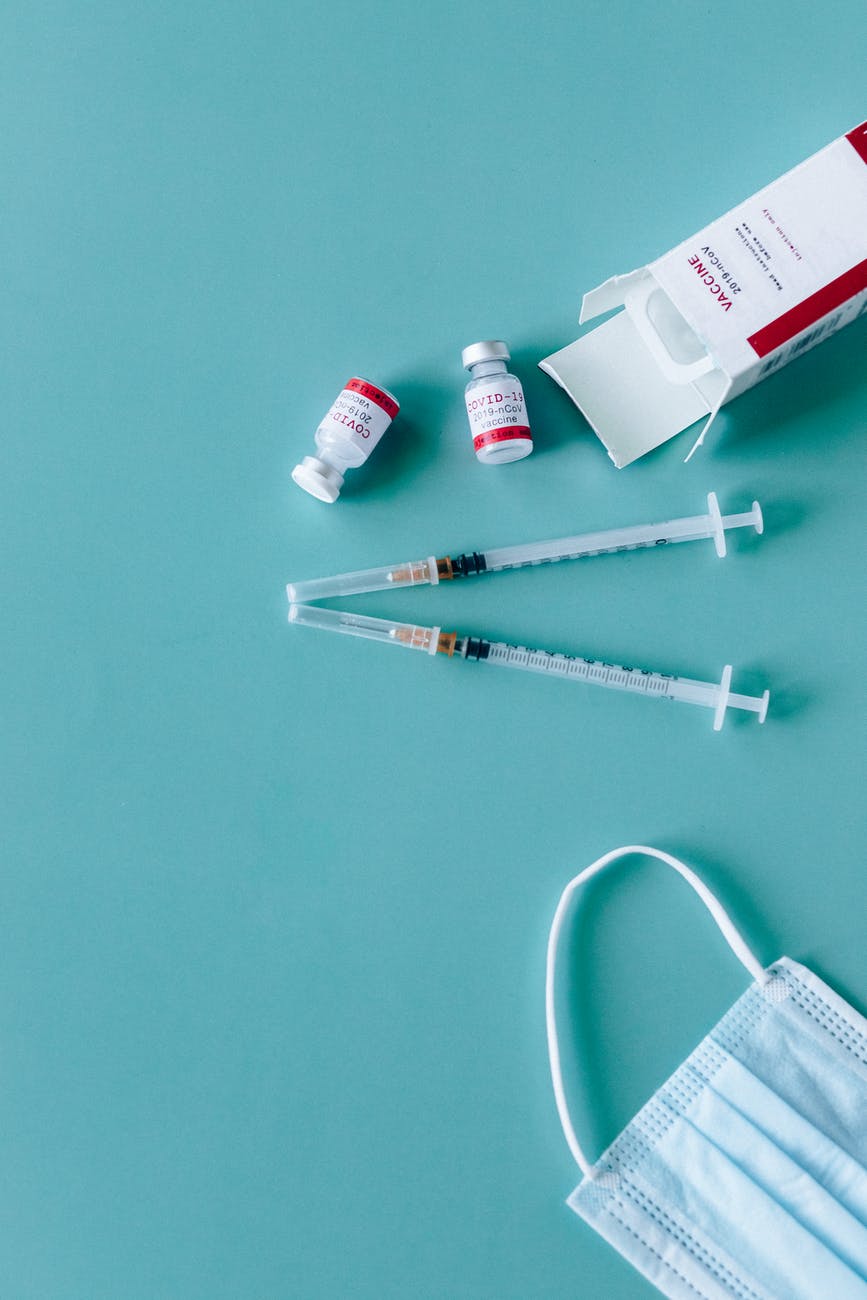
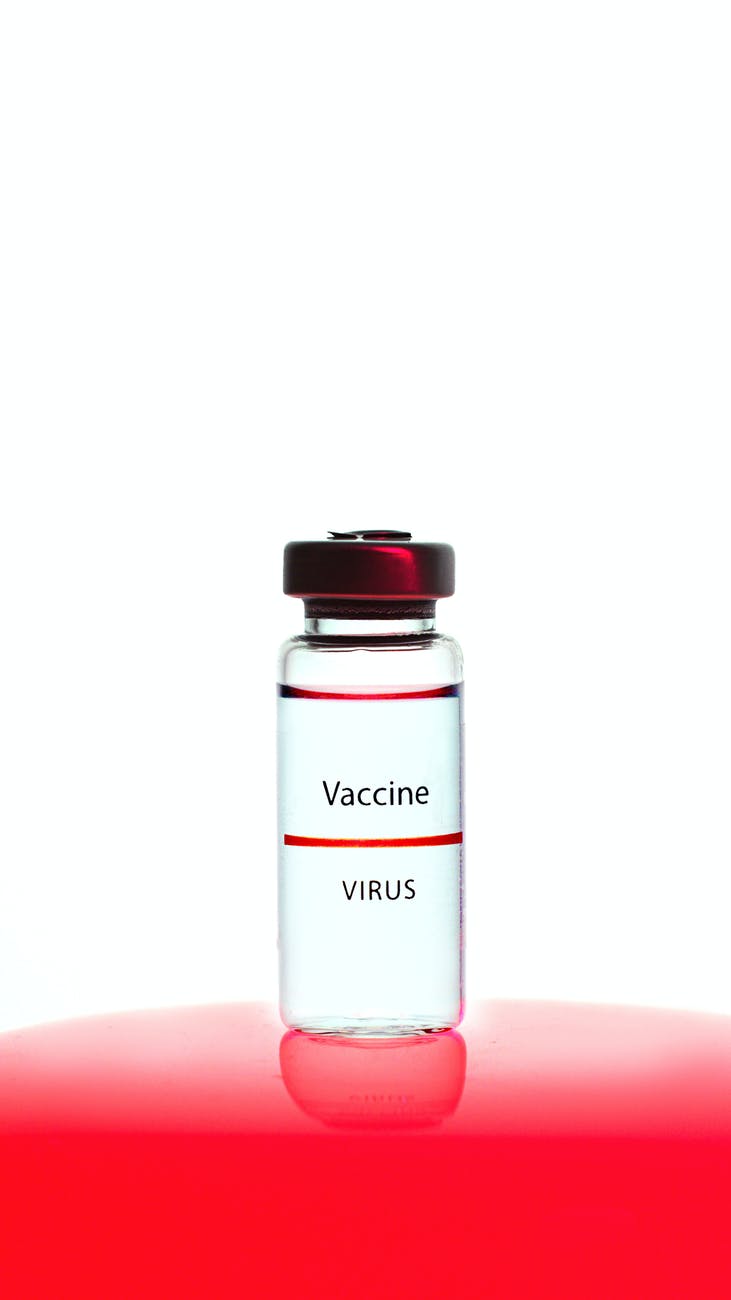
COVID-19 Vaccine; Pfizer and Moderna Side Effects

Pexels.com

Since April 2021, increased cases of myocarditis and pericarditis have been reported in the United States after COVID-19 vaccination (Pfizer and Moderna) for adolescents and young adults patients. Although the numbers are low this issue is still concerning, and the public needs to know so there can be immediate follow-up.

WebMD (2021) defines “myocarditis as an inflammation of the heart muscle (myocardium). Symptoms include shortness of breath, abnormal heartbeat, fatigue, fever, muscle aches, sore throat, headache, painful and swollen joints, and legs.

Pericarditis is an inflammation of the thin tissue around the heart. The symptoms include chest pain, low grade fever and increased heart rate. There is treatment for both issues (WebMD, 2020).

“The Centers for Disease Control and Prevention (CDC) is aware of these reports, which are rare given the number of vaccine doses administered.  CDC published clinical considerations for myocarditis and pericarditis following COVID-19 vaccination. In addition, resources for the public have been added to CDC’s website that can be a resource for patients” (CDC, 2021).

“CDC and its partners are actively monitoring these reports by reviewing data and medical records to learn more about what happened and to see if there is any relationship to COVID-19 vaccination” (CDC, 2021).

The CDC is requesting that you report all cases of myocarditis and pericarditis post COVID-19 vaccination to the Vaccine Adverse Event Reporting System (VAERS).  

The CDC continues to recommend COVID-19 vaccination for everyone 12 years of age and older, given the greater risk of COVID-19 illness and related, possibly severe complications.

Just keeping you informed! Check out the websites below for additional information from the CDC.

References:

For information about this update or other clinical issues, or to send your feedback, please contact the CDC at coca@cdc.gov OR
CDC Clinician Outreach and Communication Activity Facebook page—connect with COCA on Facebook

Clinician Outreach and Communication Activity—resources for healthcare providers

COCA RSS Feed—subscribe to be notified of conference calls, updates, and CDC guidance for health providers

Crisis & Emergency Risk Communication Training—training program that draws from lessons learned during public health emergencies, and incorporates best practices from the fields of risk and crisis communication

Health Alert Network—CDC’s primary method of sharing cleared information about urgent public health incidents with public information officers; federal, state, territorial, and local public health practitioners; clinicians; and public health laboratories

WebMD, 2020. What you should know: Myocarditis. Retrieved from https://www. webmd.com/heart-disease/myocarditis

WebMD, 2020. Heart disease and pericarditis. Retrieved from https://www. webmd.com/heart-disease/guide/pericardial-effusion

What’s Up With the CBD Craze?

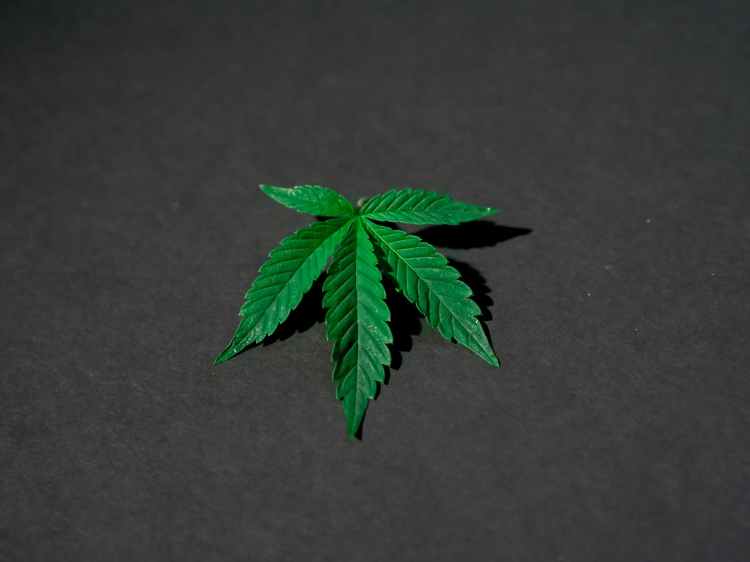
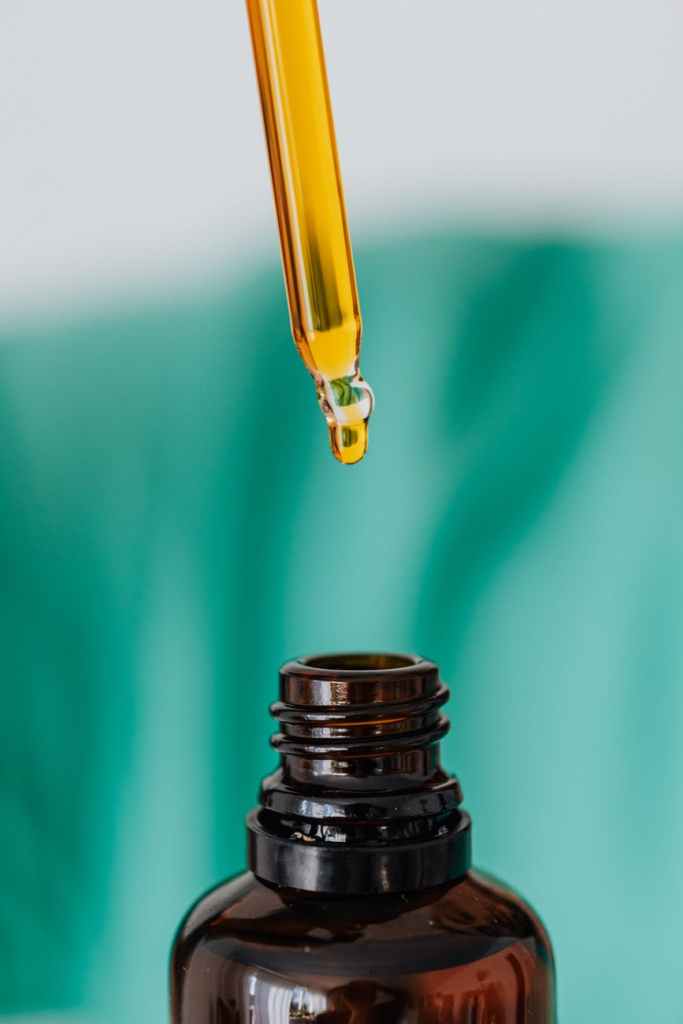
“Cannabidiol is a chemical in the Cannabis sativa plant, also known as marijuana or hemp. Over 80 chemicals, known as cannabinoids, have been identified in the Cannabis sativa plant. While delta-9-tetrahydrocannabinol (THC) is the major active ingredient in marijuana, cannabidiol is also obtained from hemp, which contains only very small amounts of THC” (WEBMD, 2021).

Selling hemp became legal in the USA 2018. Hemp-derived CBD products (with less than 0.3 percent THC) is considered legal from a federal standpoint (Kubala, 2018). Since then all types of shops and farms have emerged in this new market.

CBD has effects on the brain and additional research is needed to explain the exact cause for these effects. Cannabidiol seems to prevent the breakdown of a chemical in the brain that affects pain, mood, and mental function (Kubala, 2018). Many take CBD for anxiety and stress.

There are many shops willing to assist you with a purchase but if you want more personal interaction reach out to K. Baker at http://www.arieyl.com/kbaker. She will educate you about CBD, discuss your options and assist you in determining what products are good for you.

Review the articles below for additional information on CBD and its uses.

References

Cannabidio (CBD), (2021). Retrieved from https://www.webmd.com/vitamins/ai/ingredientmono-1439/cannabidiol-cbd

Kubala.(2018).7 Benefits and Uses of CBD Oil (Plus Side Effects). Retrieved from http://www.healthline.com/nutrition/cbdoil-benefits

Getting Out of Your Comfort Zone

Do you want to get out of your comfort zone and try something new? This could include a change of career or asking for a promotion, reaching for a role beyond your current capabilities or something simple like taking a trip alone, going back to school or lose twenty pounds.

We all aspire to expand our own capabilities. I pursued my PhD to prove to myself I could do it. Having a PhD is rare, less than 2% of the worlds population have a PhD and only 1.2% of the US population has acquired this degree (Google, 2021). I did not have a particular job in mind when I was pursuing this degree. It was indeed challenging. I wanted to quit so many times, but I had to have something to show for this student debt I acquired. Thus, the debt became my other reason for completing this goal.

I do not have all the extra certifications other nurses have but I have my educational credentials and the satisfaction of knowing I finished my personal goal. If you have a personal goal, get out of your own way and pursue your goal or dream. You just need to know why you want to pursue the goal so it will keep you motivated when that feeling leaves you.

You will question and doubt yourself, but move forward. Many times we are paralyzed by fear and it takes personal fortitude and courage to move forward. Get a mentor to assist you with your goal, no matter how small or large the goal. We all need encouragement to keep going.

Good luck and get out of your own way. You can do it!

Taming Your Sweet Tooth

I have a terrible sweet tooth and once I eat a piece of chocolate it leads me down a path to more. I often tell others its my gate way to eating more, and what people do not realize sugar is so addicting. That is why we have the hardest time staying on a sugarless diet. At one time I had tamed my sweet tooth and was able to give up all sugar.

Researching this topic I found some great ideas to tame my sweet tooth that are worth sharing.

  1. Have a plan.
  2. Train yourself to use less sugar. Sometime I just eat one piece of chocolate or one bite of pastry to get me to the next step.
  3. Make your treats from scratch.
  4. Make deserts with less sugar: instead of 1 cup of sugar use 1/2.
  5. Beware of natural sugars, coconut sugar, honey, maple syrup, molasses.
  6. Start your day with a savory breakfast: if you eat something sweet in the morning your day will be consumed with eating more sugar.
  7. Put less or no sugar in you coffee or tea.
  8. Eat one bite of desert before committing.
  9. Watch out for hidden sugar: ketchup, mustard, mayonnaise, pizza sauce, salad dressing, crackers, granola, chips, pre-packaged food.
  10. Eat savory snacks: cheese, pickles, olives, tortilla chips, fresh vegetables, nuts. Ch

Check out the articles below for more details about “Taming Your Sweet Tooth” for more information.

References:

E. Kastner (2018). 10 Tips to Tame Your Sweet Tooth, Retrieved from https://www.thepioneerwoman.com/food-cooking/cooking-tips-tutorials/a96875/10-tips-to-tame-your-sweet-tooth/

What is a Sugar Detox? Effects and How to Avoid Sugar. Retrieved from https://www.healthline.com/health/sugar-detox-symptoms

Managing Hypertension

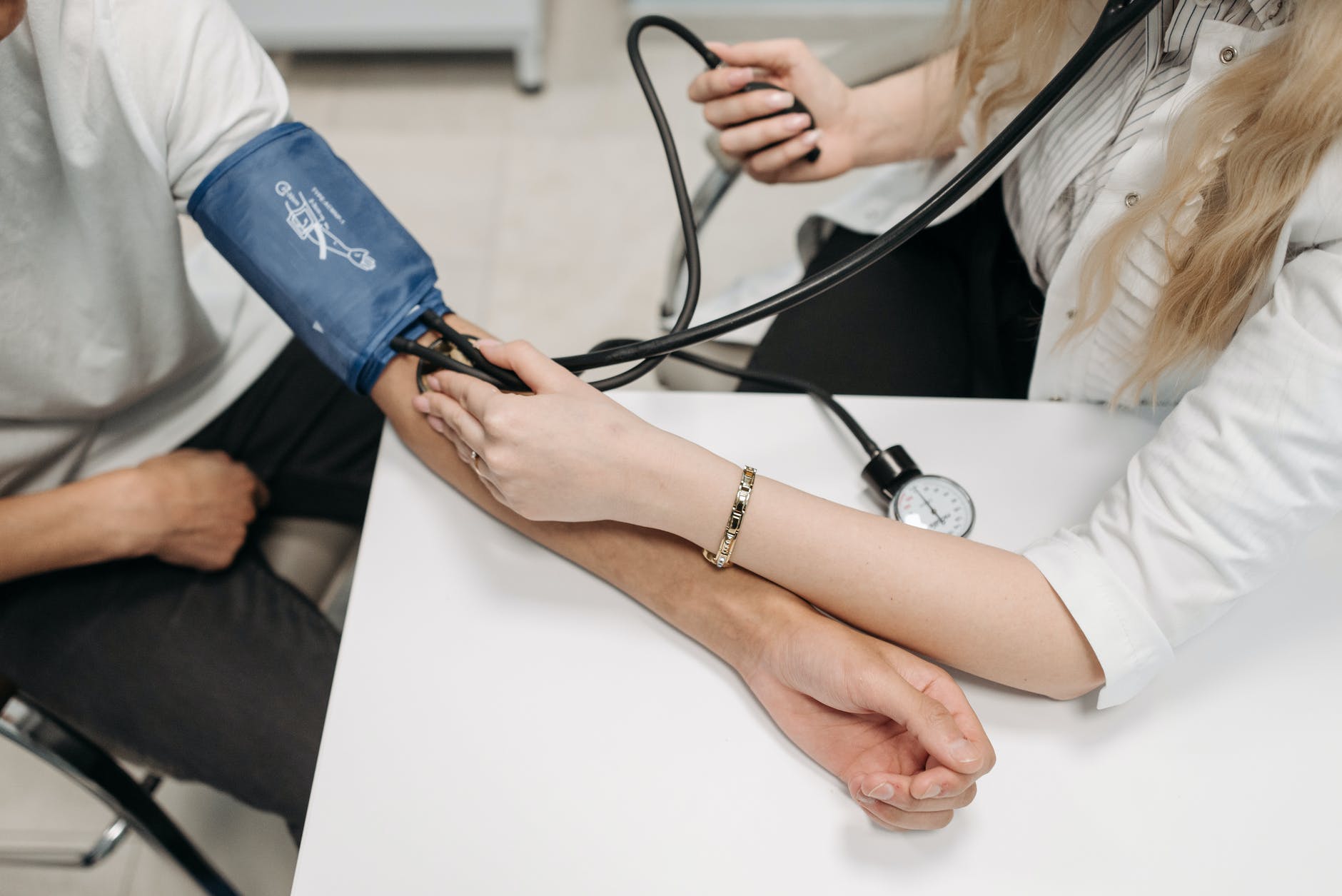
Hypertension is known as the silent killer because you may not have symptoms but left untreated it can be devastating to the body with no warning. You may experience a headache, blurred vision, or a nose bleed as a sign, your blood pressure is elevated. The worst-case scenario, one can experience with hypertension is a stroke or myocardial infarction, or heart attack.

Some of the signs of a heart attack include chest pressure, or discomfort, shortness of breath, nausea, and sweating.

Hypertension can be managed naturally through exercise, diet, (more fruits and vegetables), reduction in salt intake, stop smoking, and control your stress. Seek out your physician for screening and additional treatment. You may need medication.

Pexels.com

Reference

Mayo Clinic, (2021). Hypertension. Retrieved from https://www.mayoclinic.org/diseases-conditions/high-blood-pressure/diagnosis-treatment/drc-20373417

Happy Nurses Week

May 5-12, 2021

Photo on Pexels.com
Photo on Pexels.com

This week is Nurses Week and, I want to take this time to commend my colleagues and friends for a job well done. During this year nurses have been in the trenches of the pandemic, providing care to those who where the sickest among us. We are always present and have been the most ethical and trusted profession for over 20 years.

Pandemic or not nurses are the constant workforce in healthcare and sadly we are the most disrespected by various parties that utilize and work in that system. Just like the violence that went on at the Capital, January 6, 2021, that many are denying, there is also violence that occurs in healthcare facilities, that the public knows nothing about. As a result a bill was created and passed in the House of Representatives.

This bill remains in the US Congress, sitting in the Senate. The “Workplace Violence Prevention for Healthcare and Social Service Workers Act (H.R. 1309)” was passed in the House of Representatives, November 21, 2019. It was sent to the Senate and is still there, never passed. Apparently it is not a priority.

Currently, there are so many other things that are going on in the country, that I wonder if this bill will ever become a law.

Support and thank your nurse, dealing with the public is challenging. We take our jobs seriously and aim to provide safe quality care. We also advocate for patients where ever they are in their challenge to maintain health and wellness. We do this by adhering to high ethical standards and being the support for patients and families when they enter the healthcare system.

I am proud to be to a part of this profession and I realized it may not be my dream job. However, as a nurse surveyor, I am here to ensure that those who enter healthcare facilities receive safe quality care and healthcare facilities exceed and meet public expectations.

To my peers and colleagues enjoy the week, you definitely deserve all the accolades and words of appreciation. Check out the link below, there are many freebies for nurses this week! Enjoy!

Take time and notify your Congress person about HR 1309. Thank-you!

https://nurse.org/articles/free-nurse-week-giveaways/

Just keeping you informed!

Managing Diabetes

Diabetes is a worldwide health issue and affects every system in the body. Your blood sugar, blood pressure, and cholesterol must be managed. In fact, diabetic patients are treated as cardiac patients because of the nature of the disease.

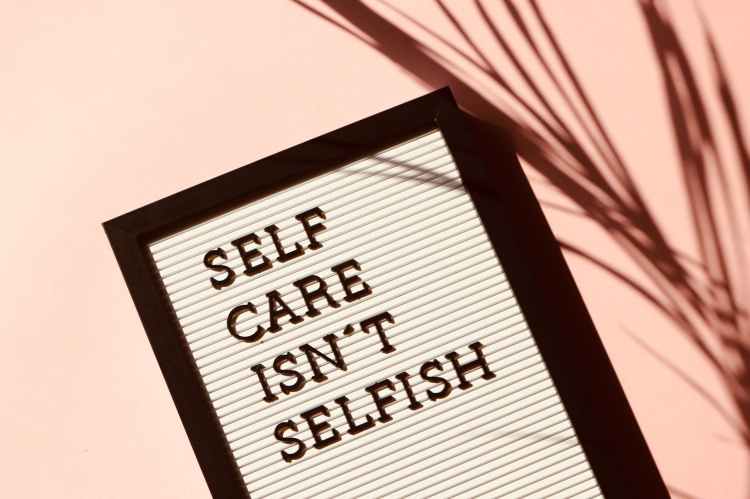
Self-care is essential with diabetes. It is important to watch your diet. Increase your consumption of fruits and vegetables, and reduce your intake of high-calorie foods and fast foods.

Self-care also includes foot care. Do not cut your toe nails and always wear shoes. Little cuts on your feet can lead to an amputation.

Physical activity is also important to ensure you maintain a healthy weight. Take your medication and check your blood sugar.

The complications of diabetes include heart disease, poor circulation, loss of limbs, blindness, and loss of kidney function resulting in dialysis.

As you drive through the city count how many dialysis centers are in your neighborhood. They seem to be on every corner. Not all dialysis patients have diabetes, but majority of them do. That is why it is essential to manage your health.

When your physician tells you that your A1C is elevated, make the decision to do something about it. This disease can be managed but you must be disciplined and follow your health professionals instructions.

Stay well!

Reference

Managing Diabetes. https://www.niddk.nih.gov/health-information/diabetes/overview/managing-diabetes